EHEL (TENT POST / MAT SUPPORT / FOR HANGING BELONGINGS)
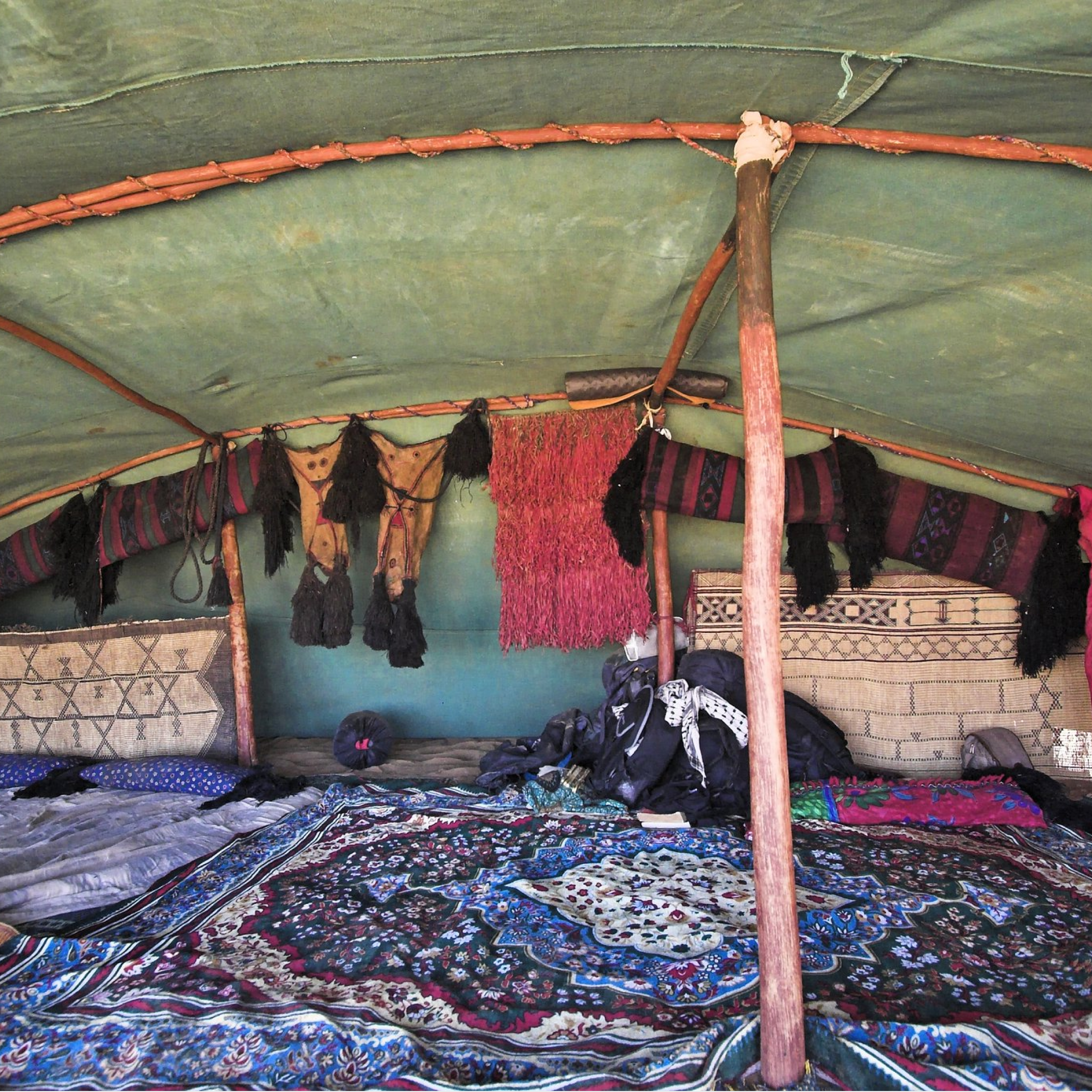
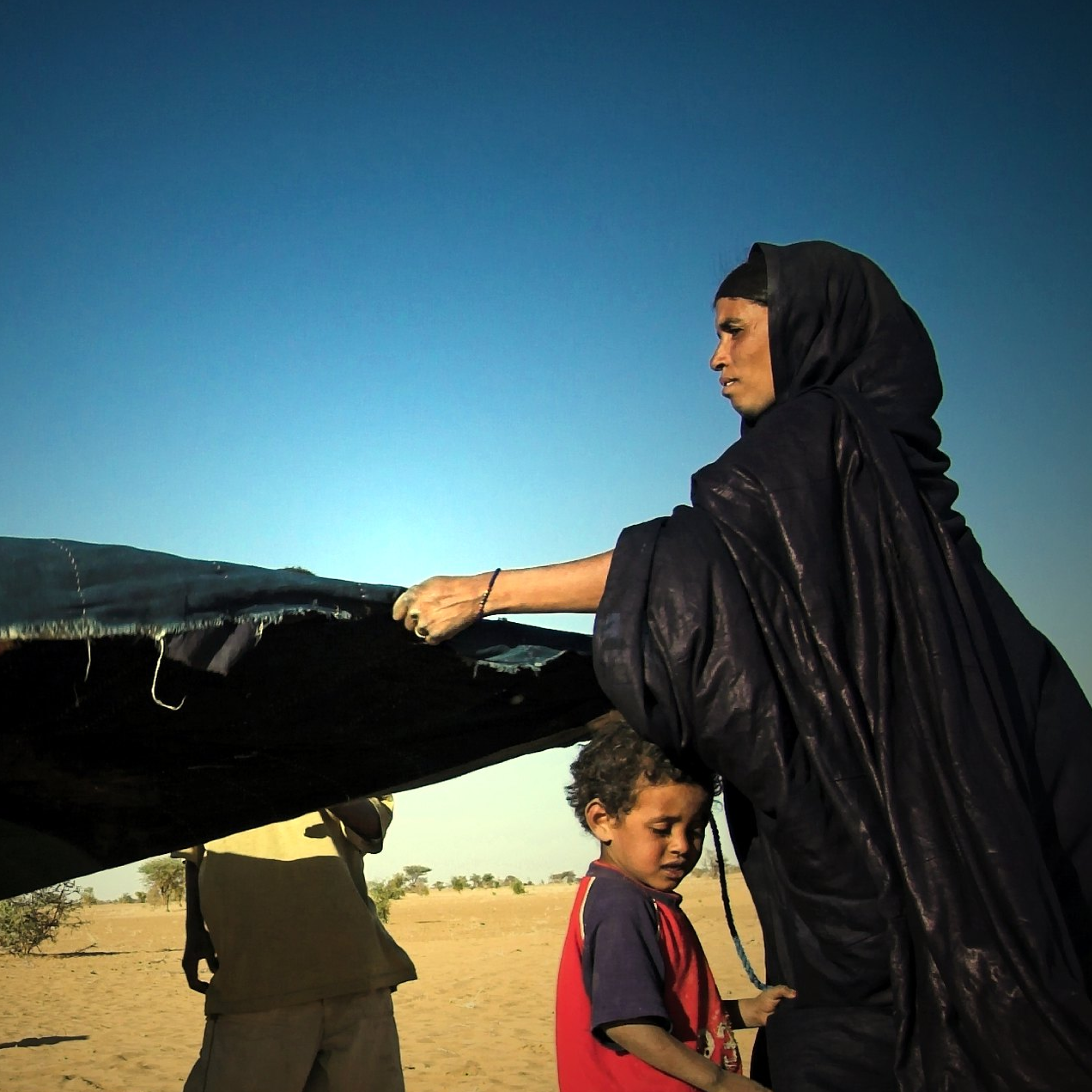

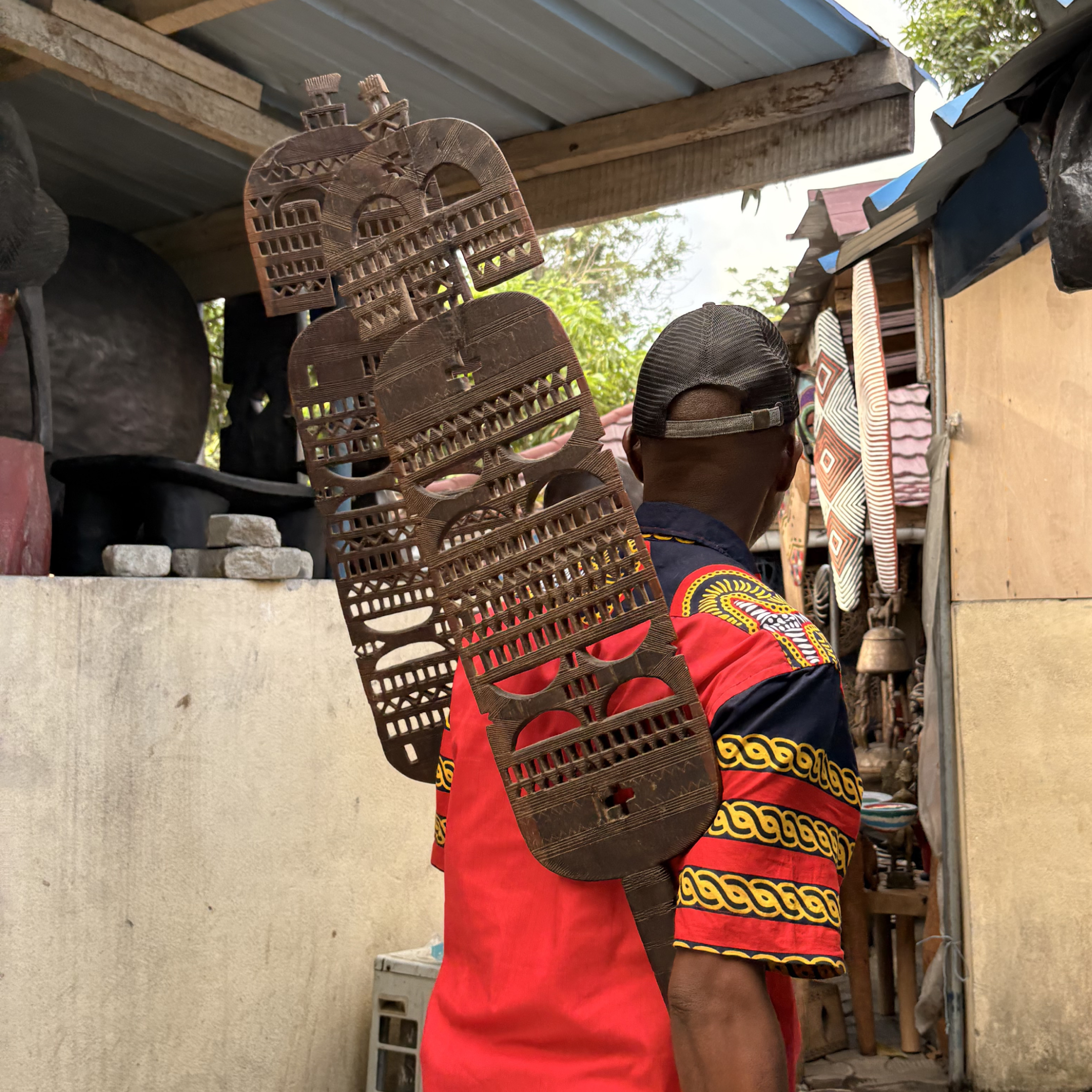
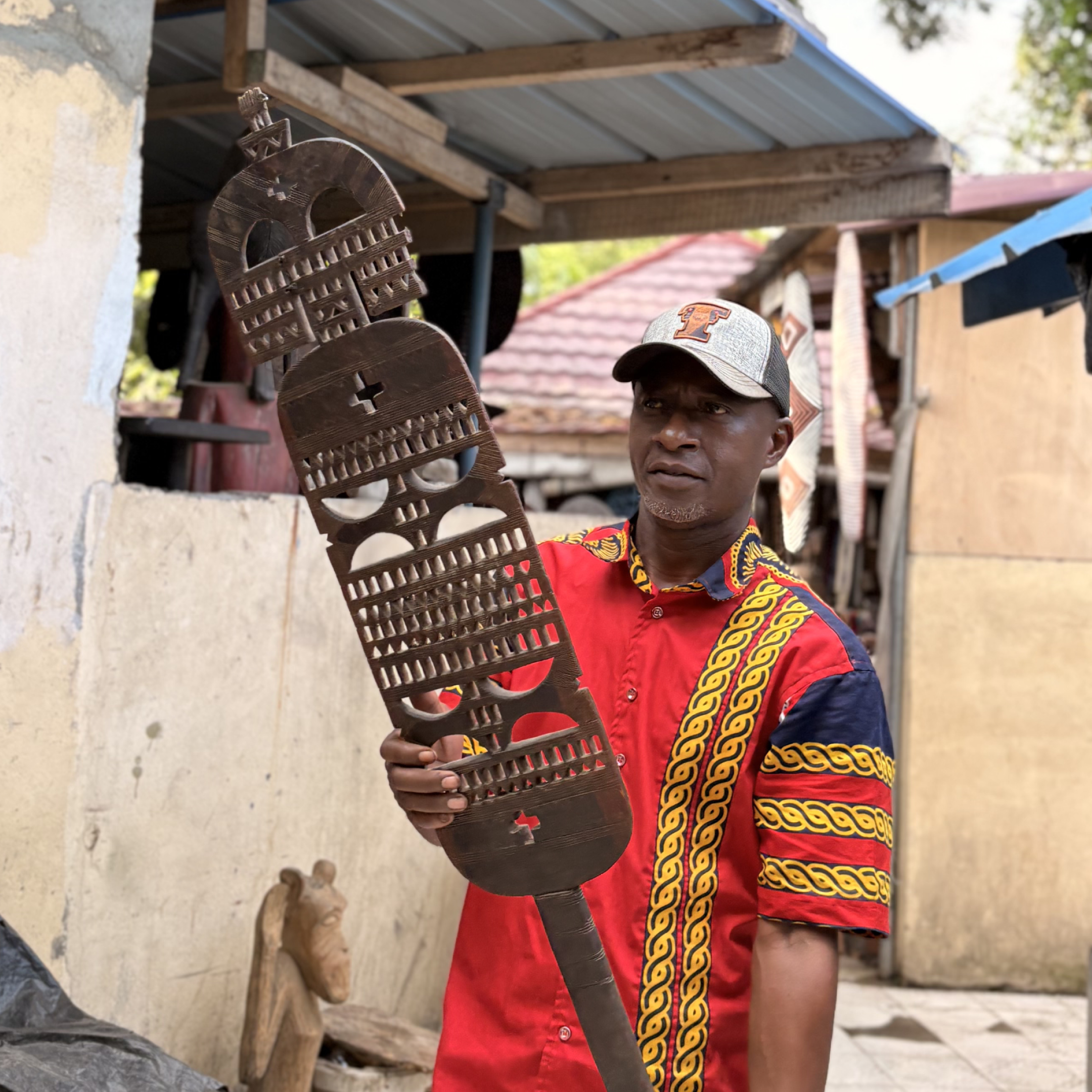
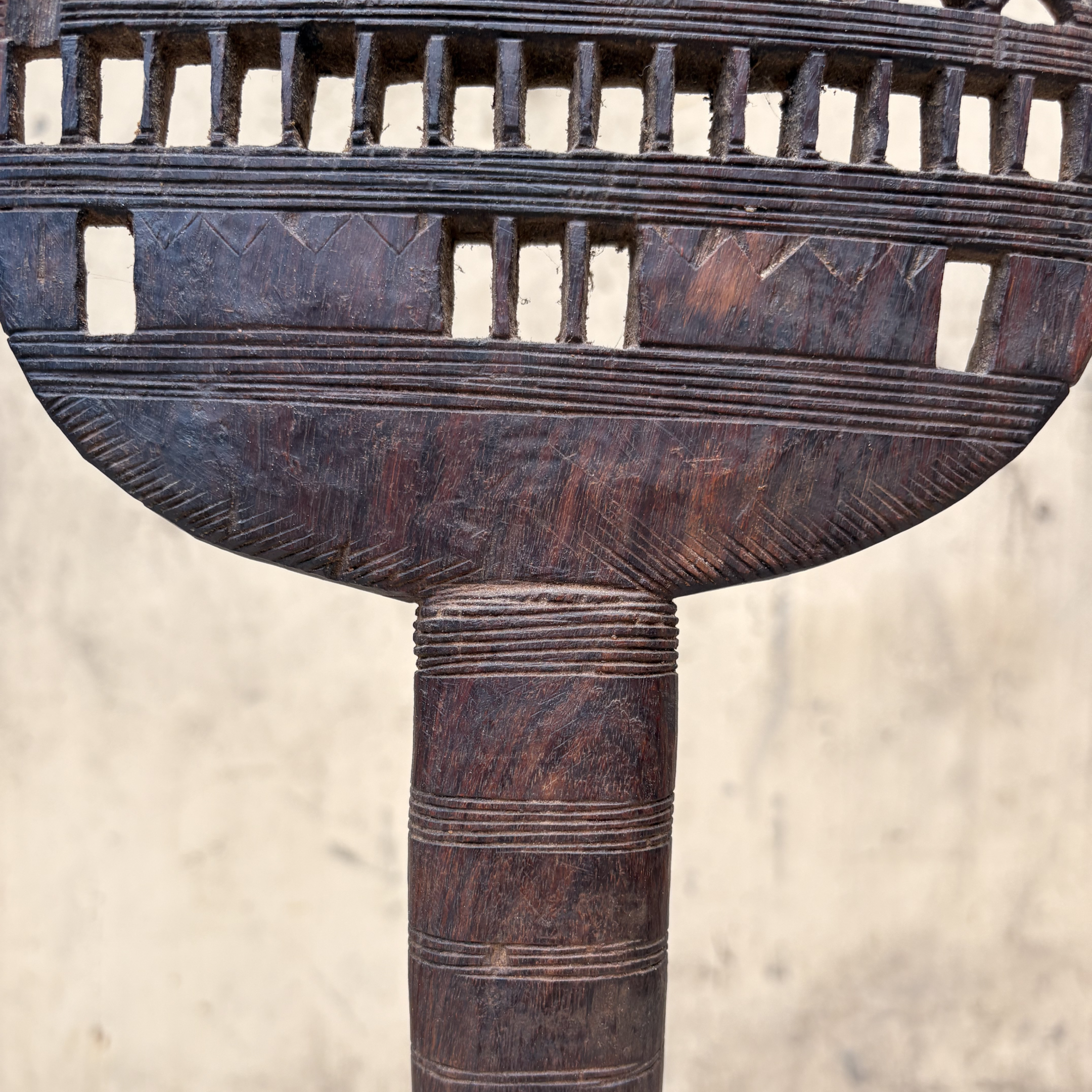
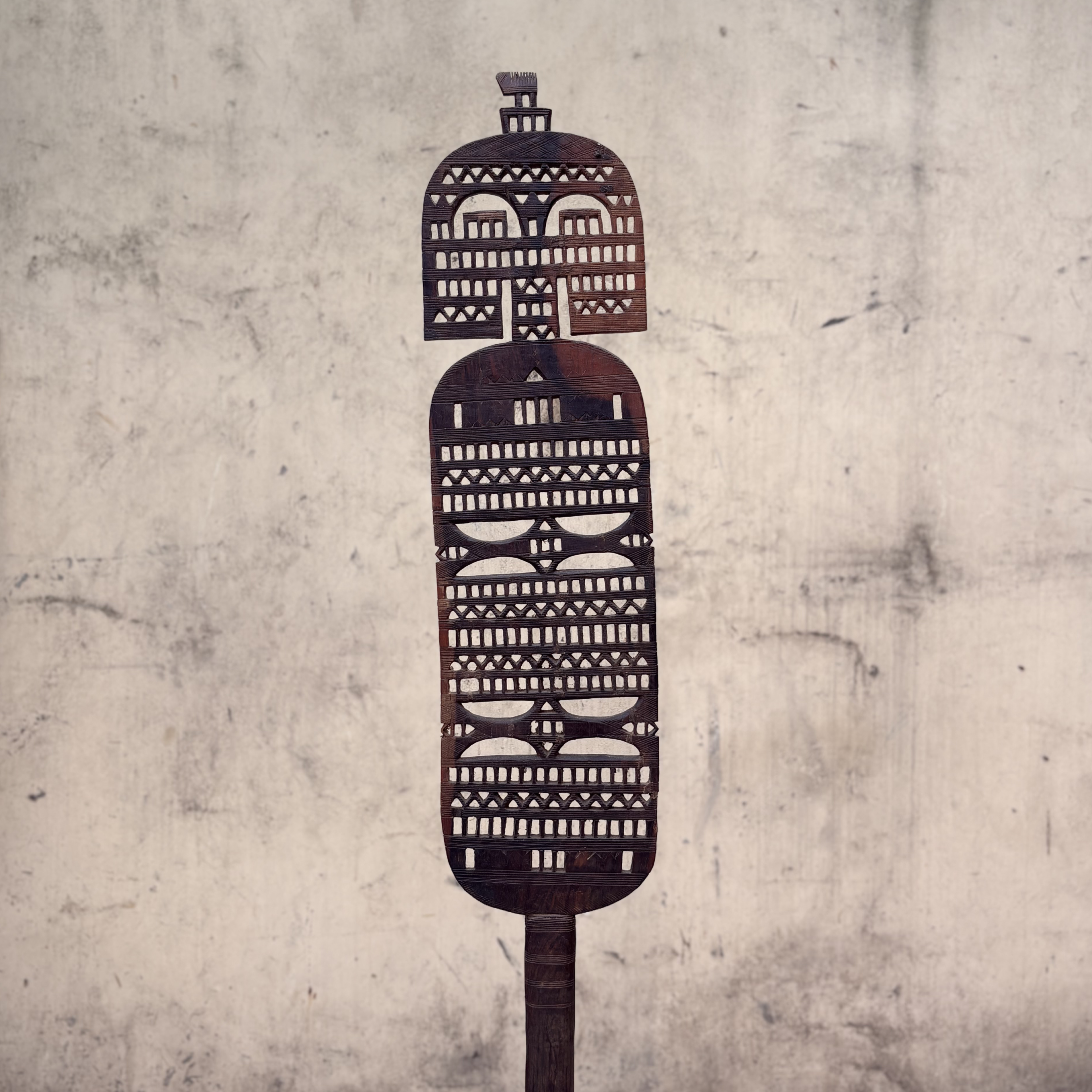
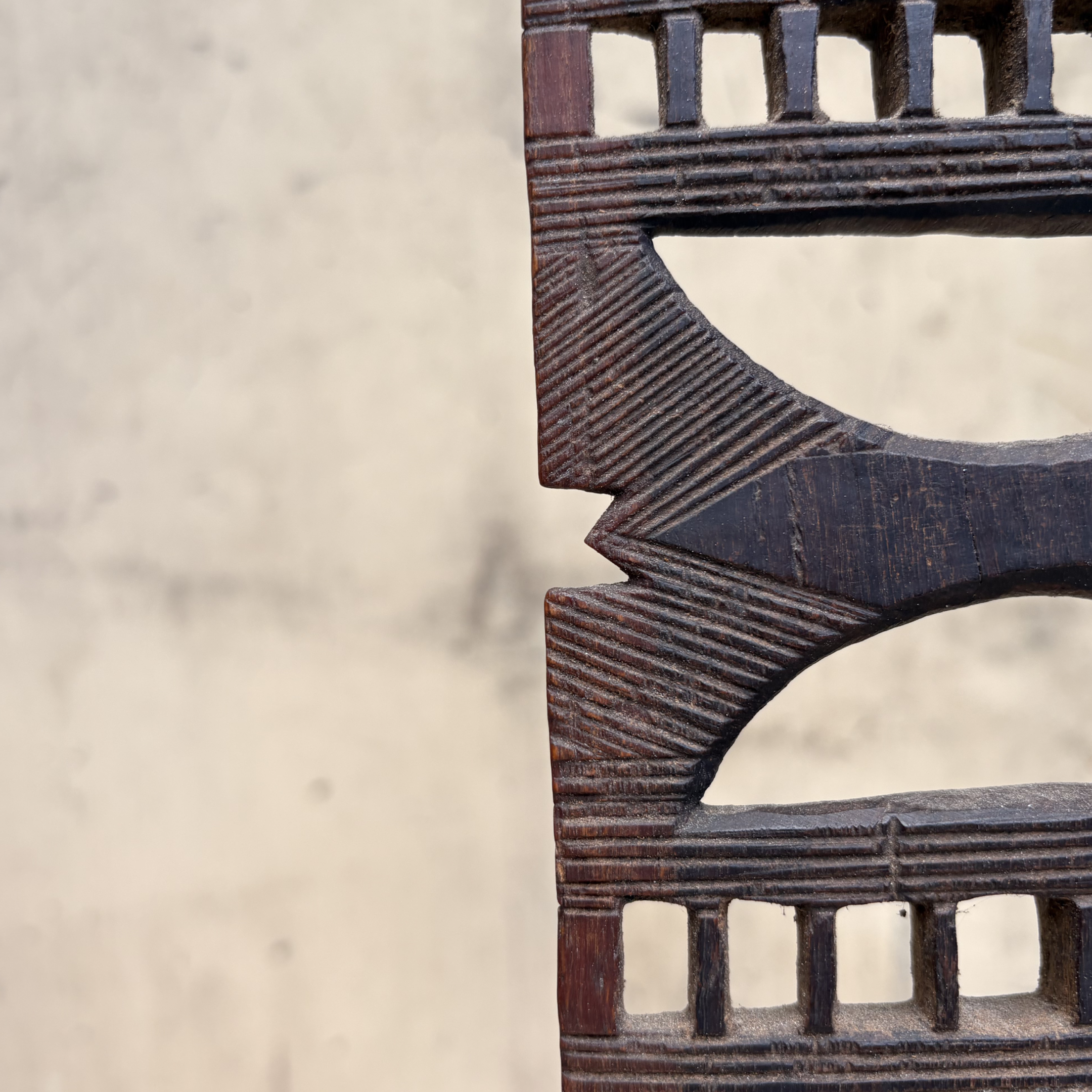
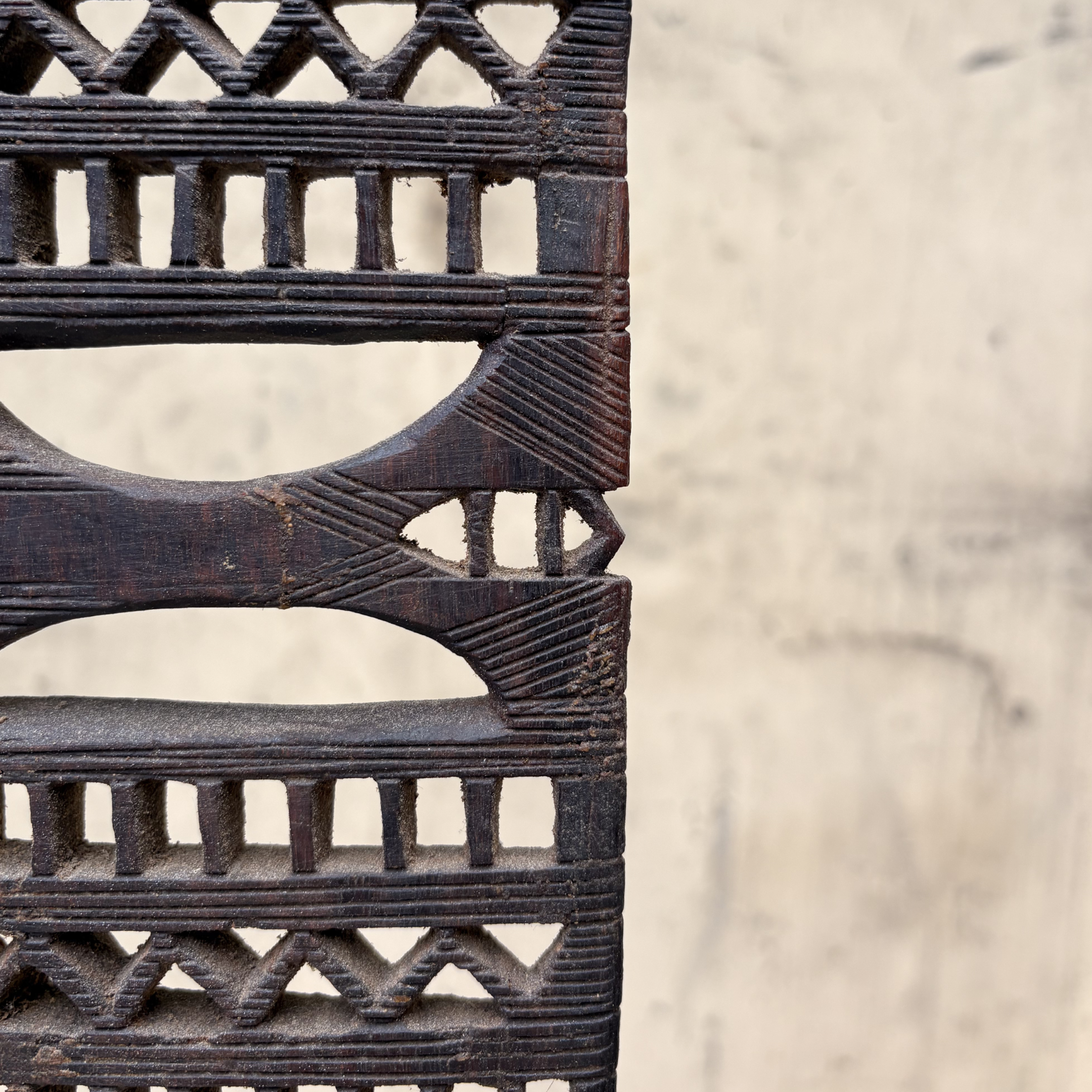
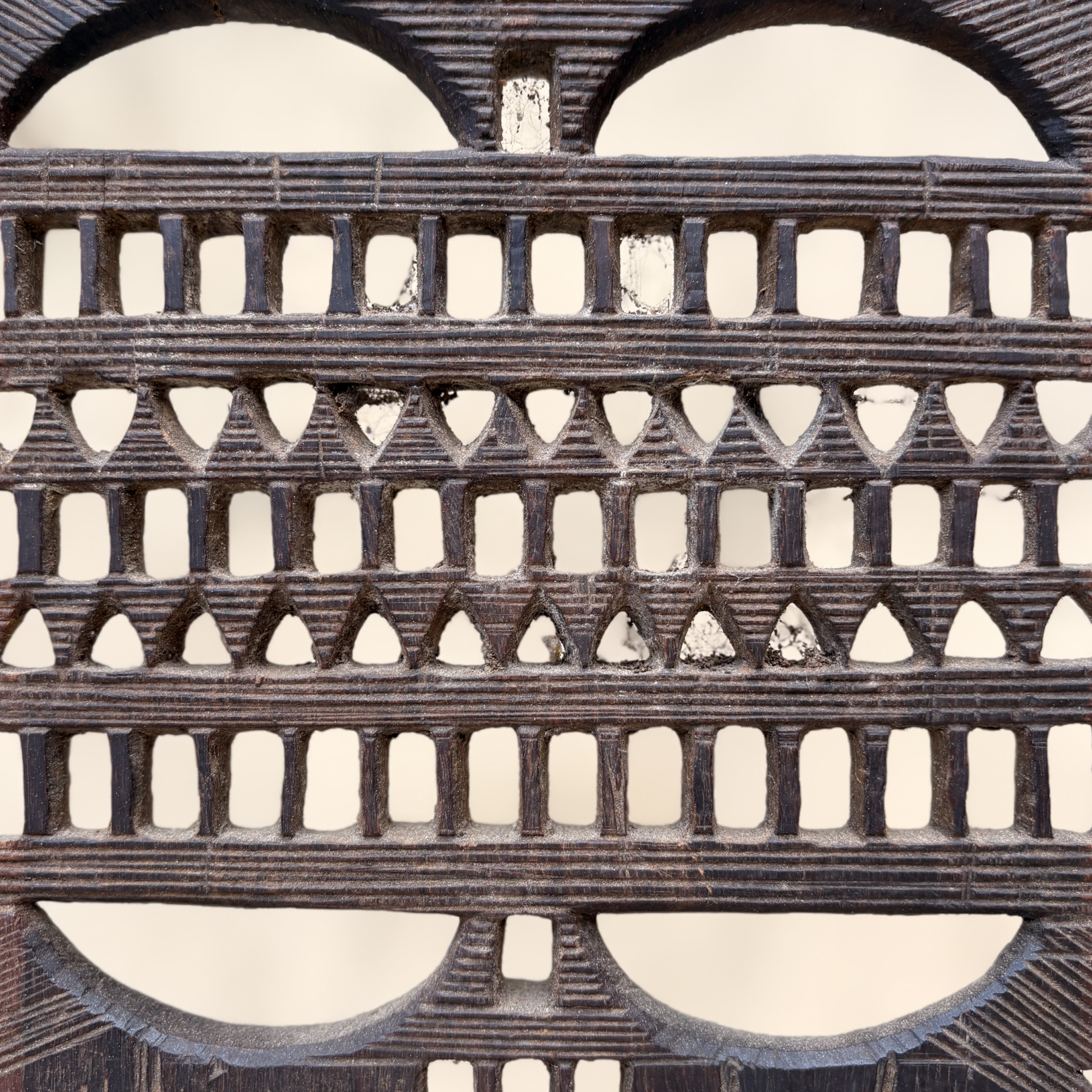
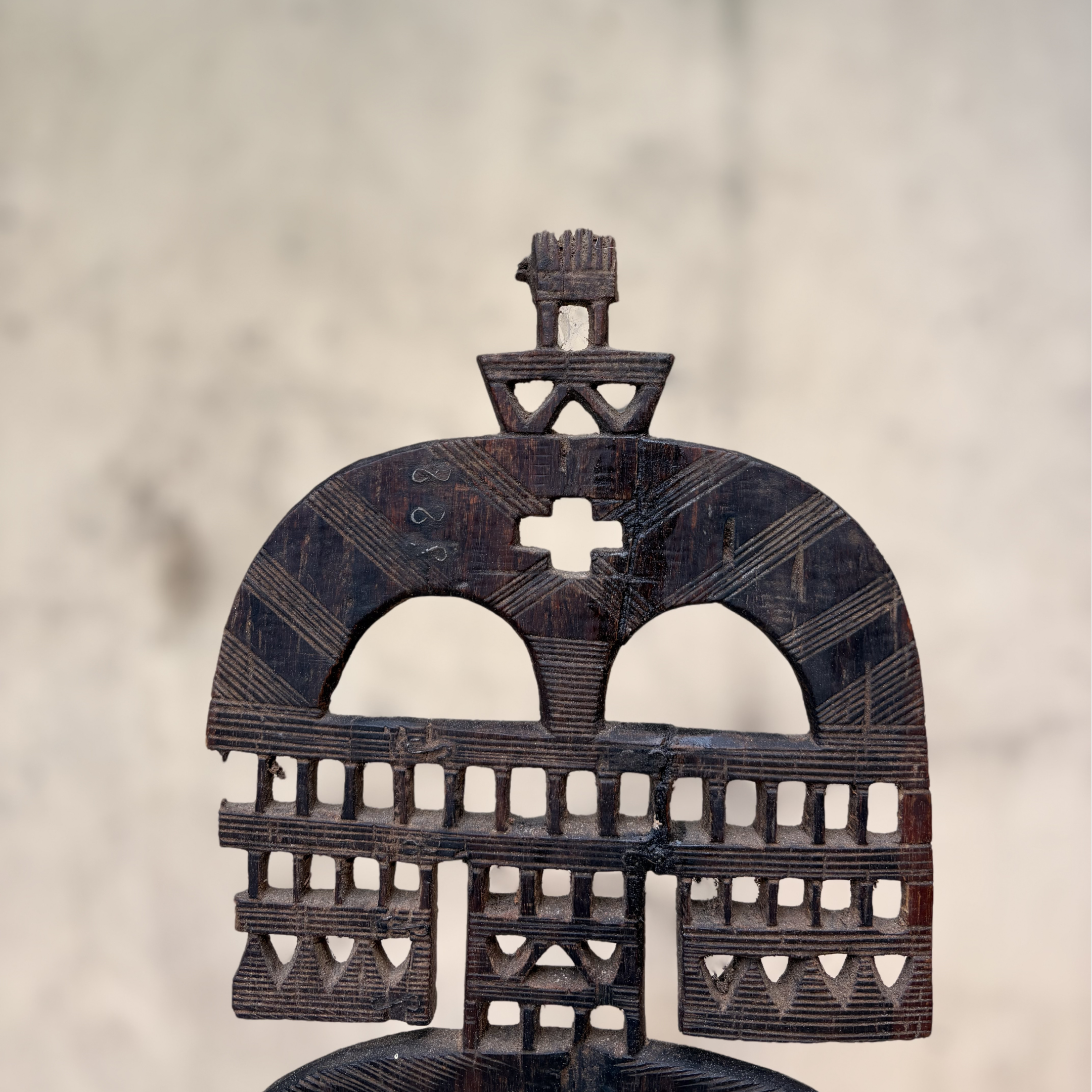
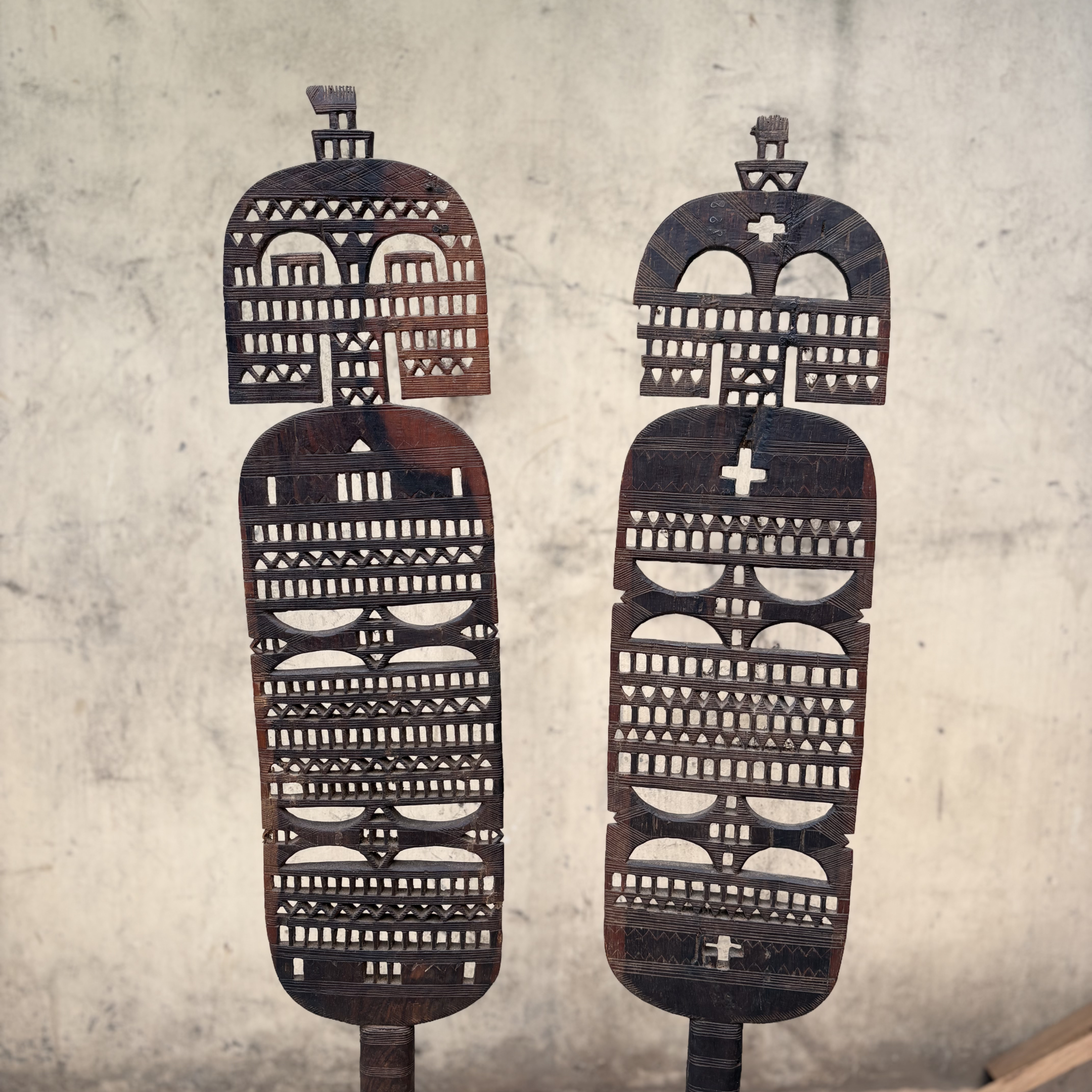
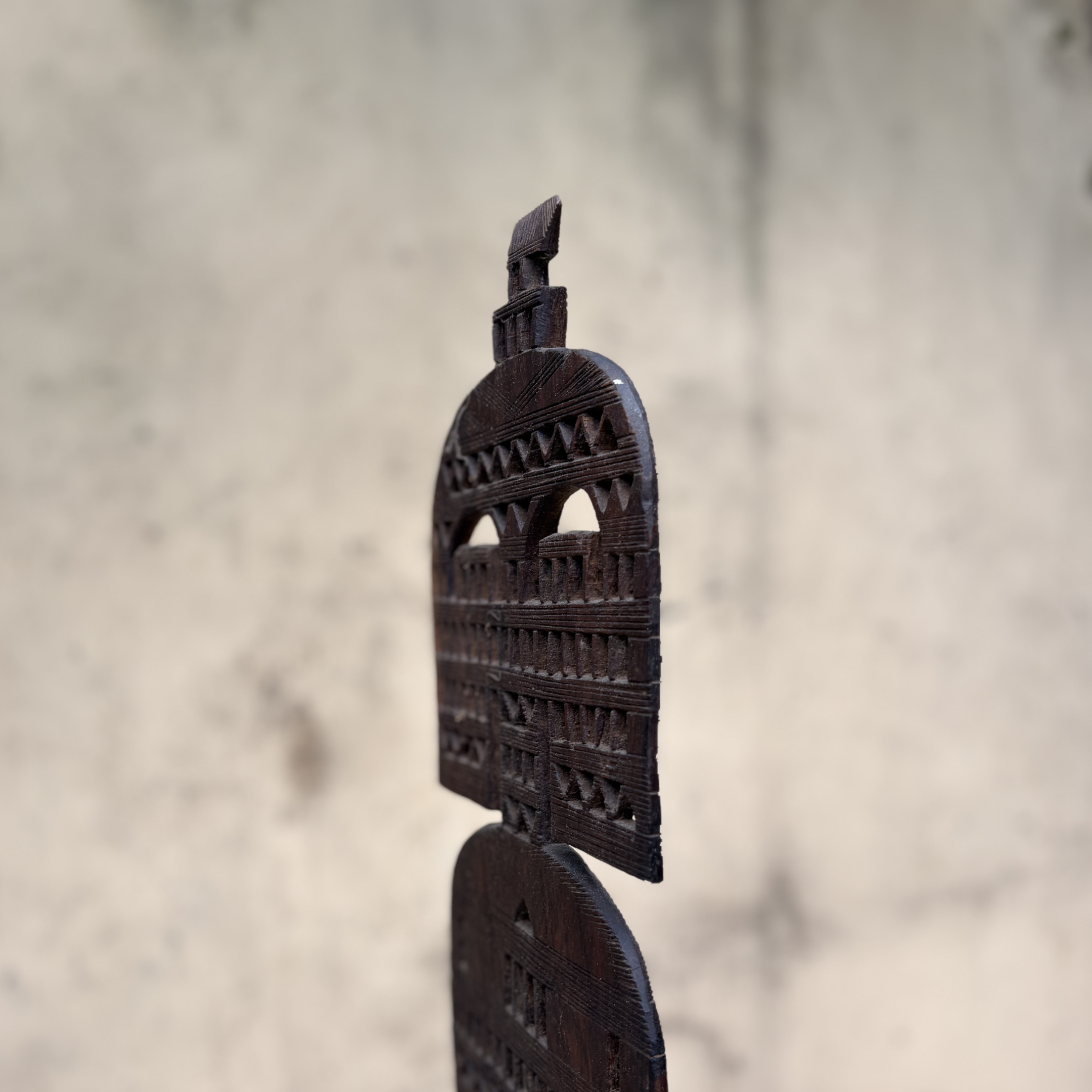
[1,2,4,11-13,15-17,19]: EHEL (TENT POST / MAT SUPPORT / FOR HANGING BELONGINGS)
[3,5,20]: Aroun Mounde (@artisanafrik), a Cameroonian artist, collector, and educator on historical African objects in Abidjan, Côte d’Ivoire, showing me the ehel in his collection
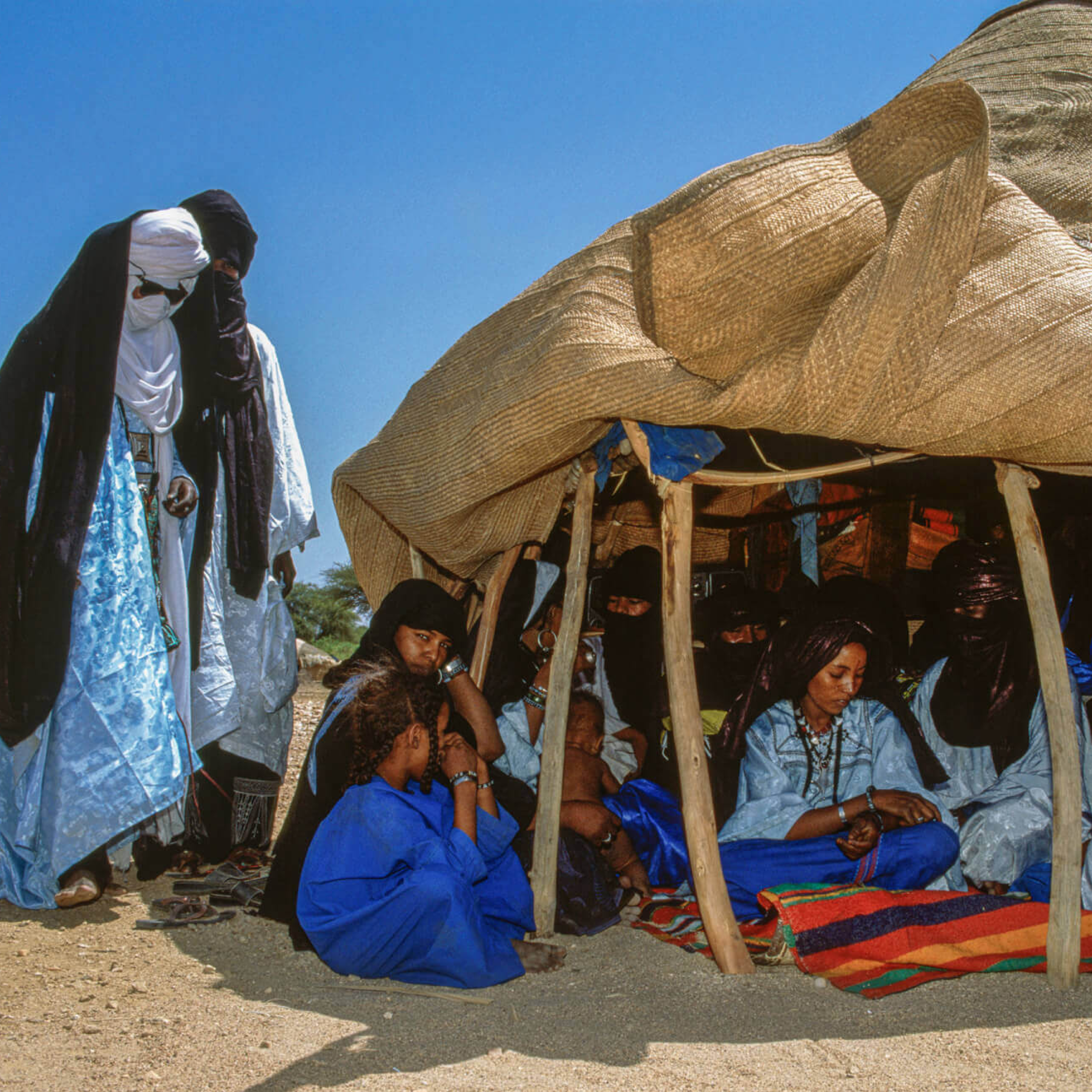
[6]: A Tuareg woman in Northern Mali 🇲🇱 setting up an ehen (tent). The word ehen can also mean “marriage” or “womb”. Tents and their furnishings (e.g., tent posts) were wedding gifts to the bride in Tuareg matriarchal society.
[7]: Ehel tent posts were used to hold up woven mats (eseber) and wall hangings within a tent to section off private spaces around beds.
[8]: A groom in a white turban, accompanied by his best friend, makes a formal visit to his bride.
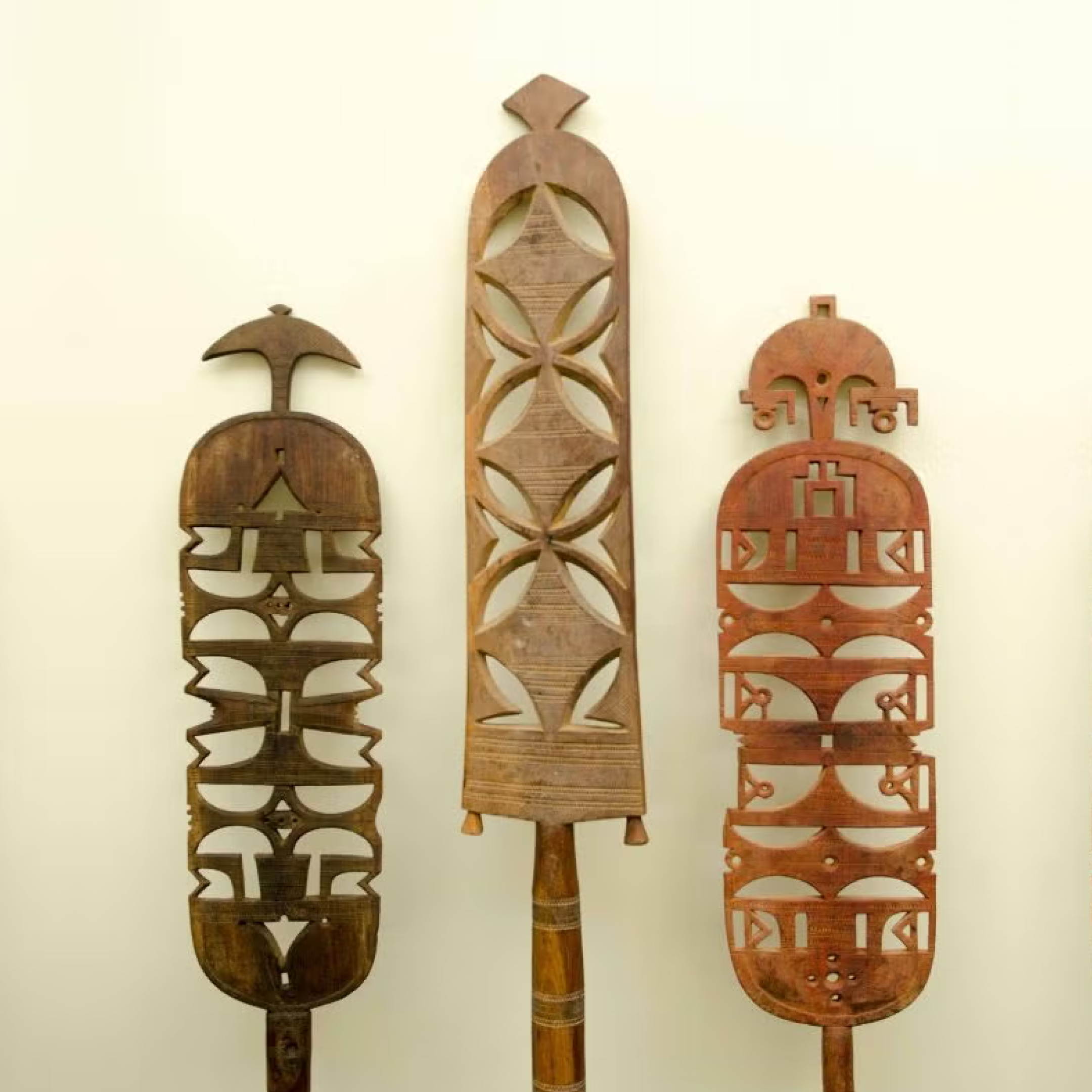
[9]: Ihel wooden mat supports, Tuareg inadan male artist, probably Niger, 20th century. Different ehel designs showing different finial shapes and cut-out patterns.
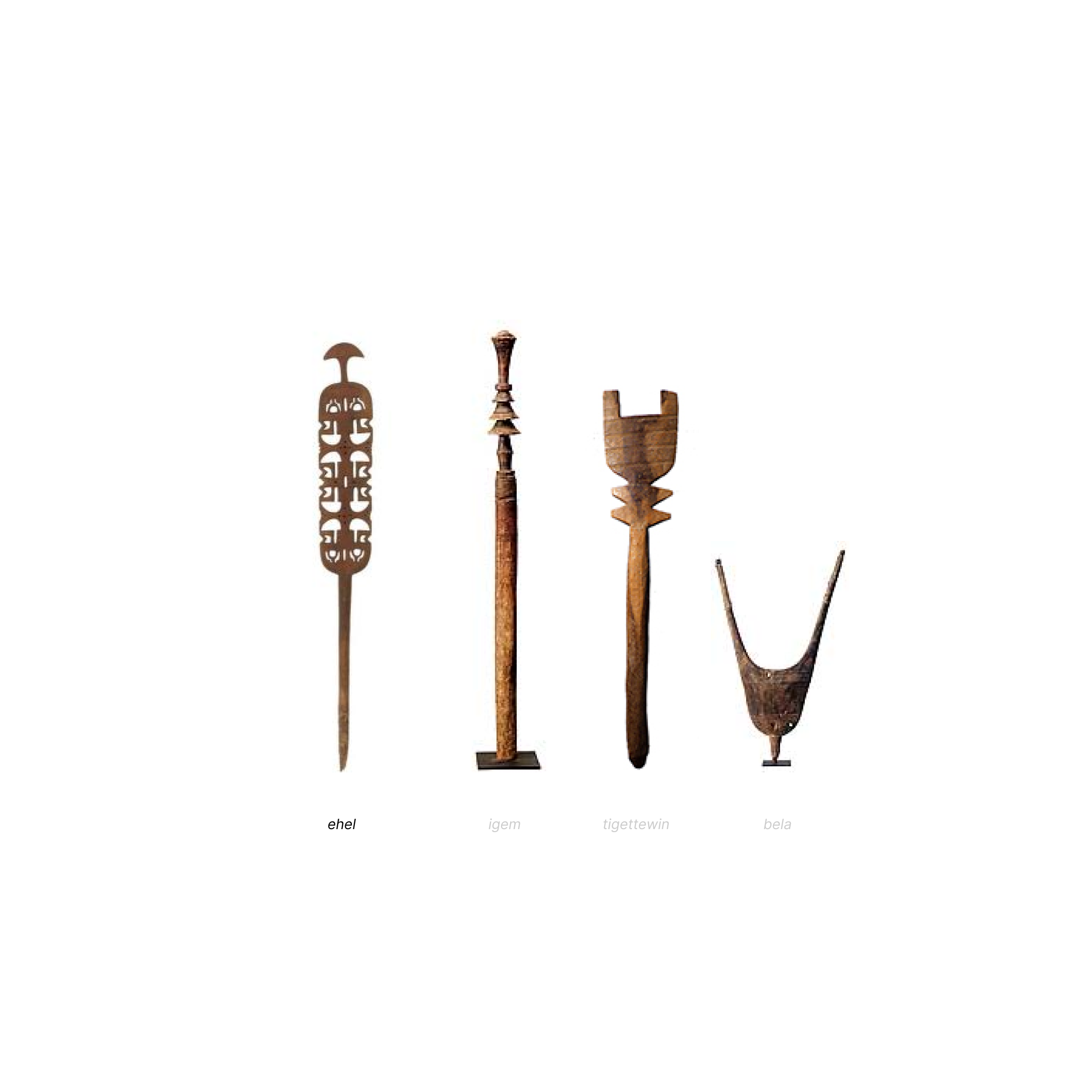
[10]: The Tuareg have intentional design differences across their tent post typologies. Other tent posts (eg igem, tigettewin) were designed to serve different purposes. We will explore these further in future posts…
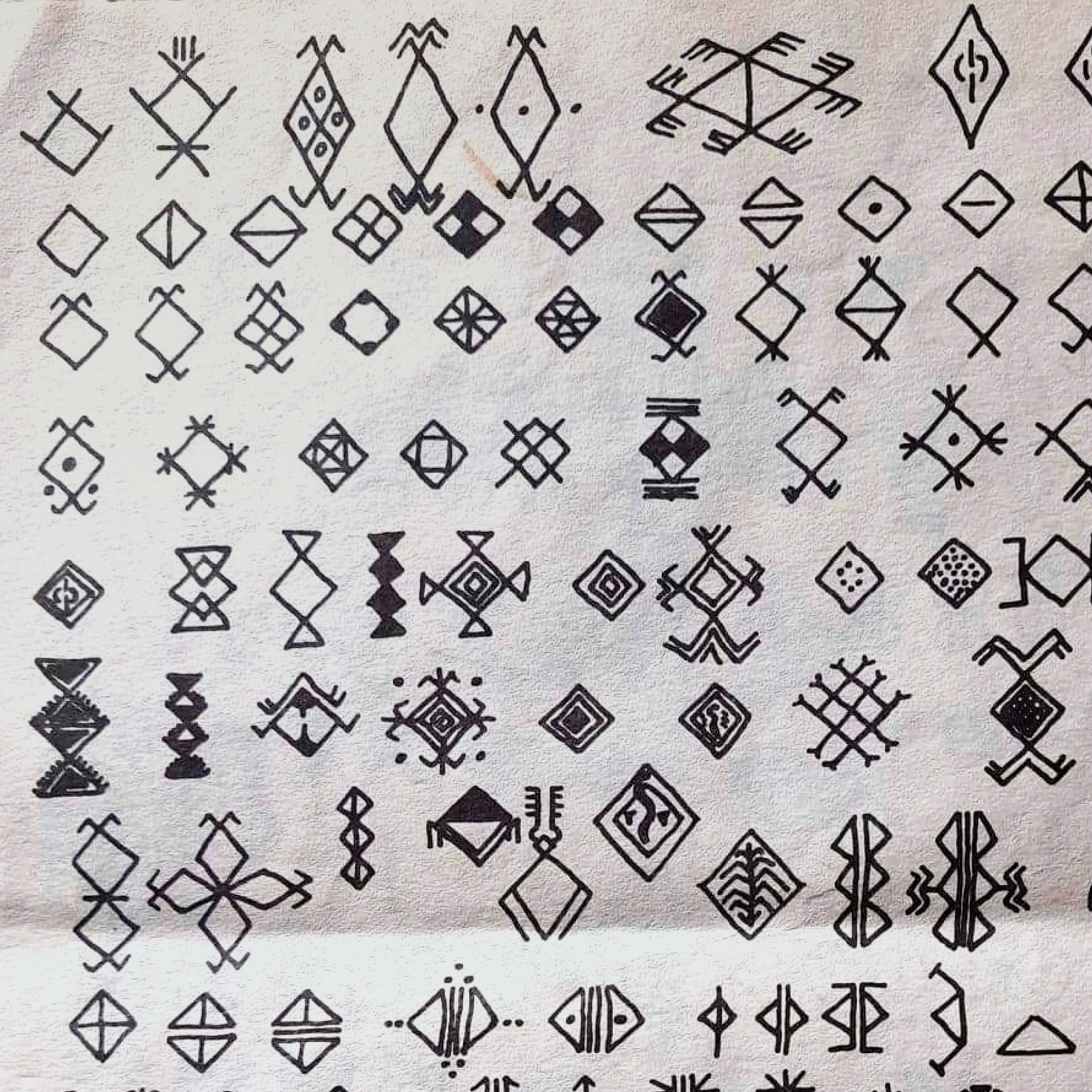
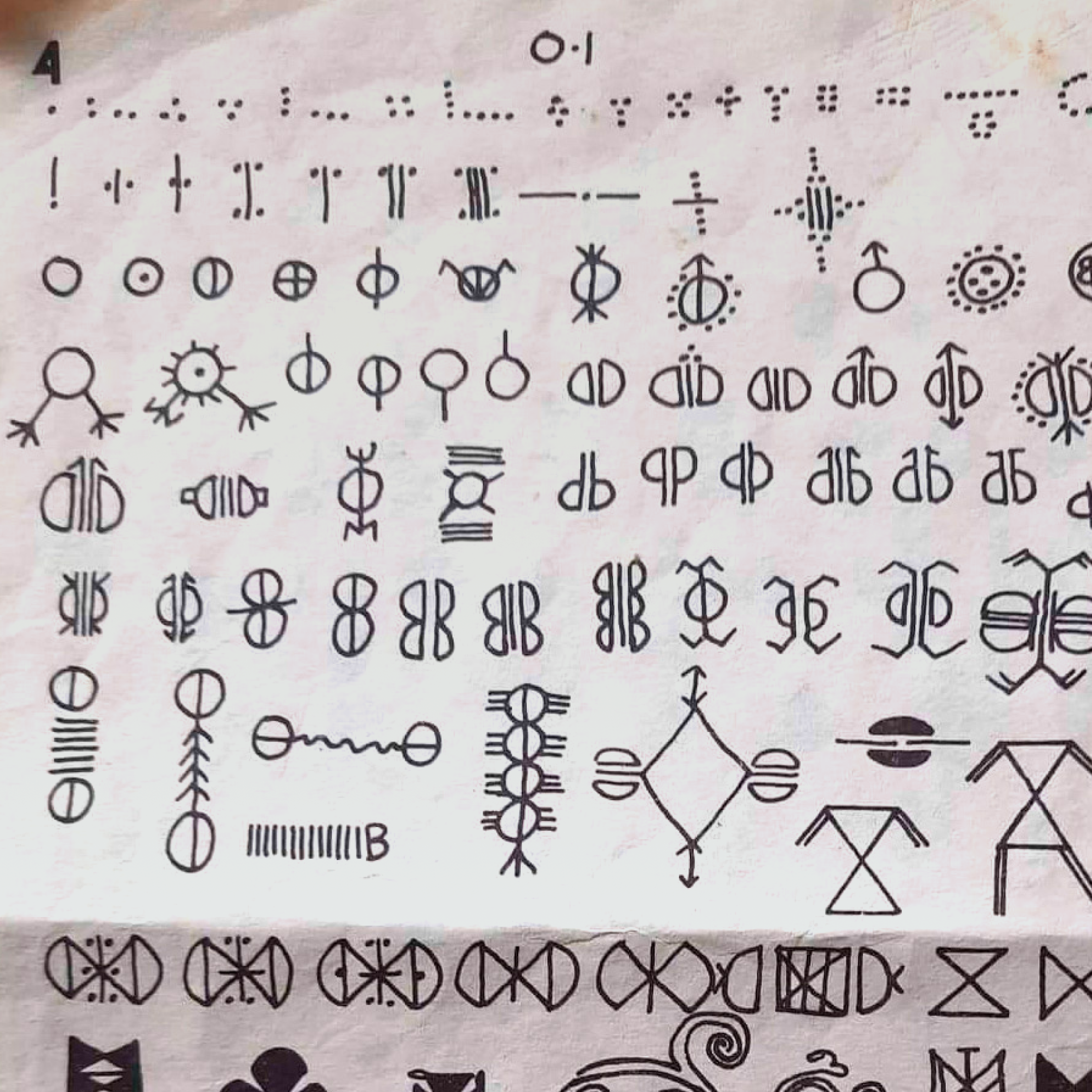
[14,18]: Ink drawings of Amazigh motifs by Richard Sadeg, some seen in the surface carvings and cut-outs of this ehel
From: Tuareg peoples of the Amazigh, likely Niger 🇳🇪 (Nomadic peoples across the Saharan region, so could be seen in Mali 🇲🇱, Algeria 🇩🇿, Libya 🇱🇾, and Burkina Faso 🇧🇫)Source notes [6,7]: Emilia Tjernström on Flickr, Northern Mali 🇲🇱, 2007
Source notes [8]: africaonlinemuseum.com
Source notes [9]: THE BRIGHT CONTINENT: AFRICAN ART HISTORY. Chapter 4: The Impact of Religion and Hierarchy on African Art
Source notes [14,18]: Motifs Berbers by Rachid Sadeg, published by Bibliothèque centrale d’Alger, 1991.
Observations:
designed for multipurpose use, social significance and philosophy surrounding object’s meaning, visual harmony, continuation of a strong design language, formal harmony, functional ornament, material intelligence, pattern depth and heirarchy, negative space as form, possible anthropomorphism, graphic design.