LOBI (RECLINED) LOW CHAIR
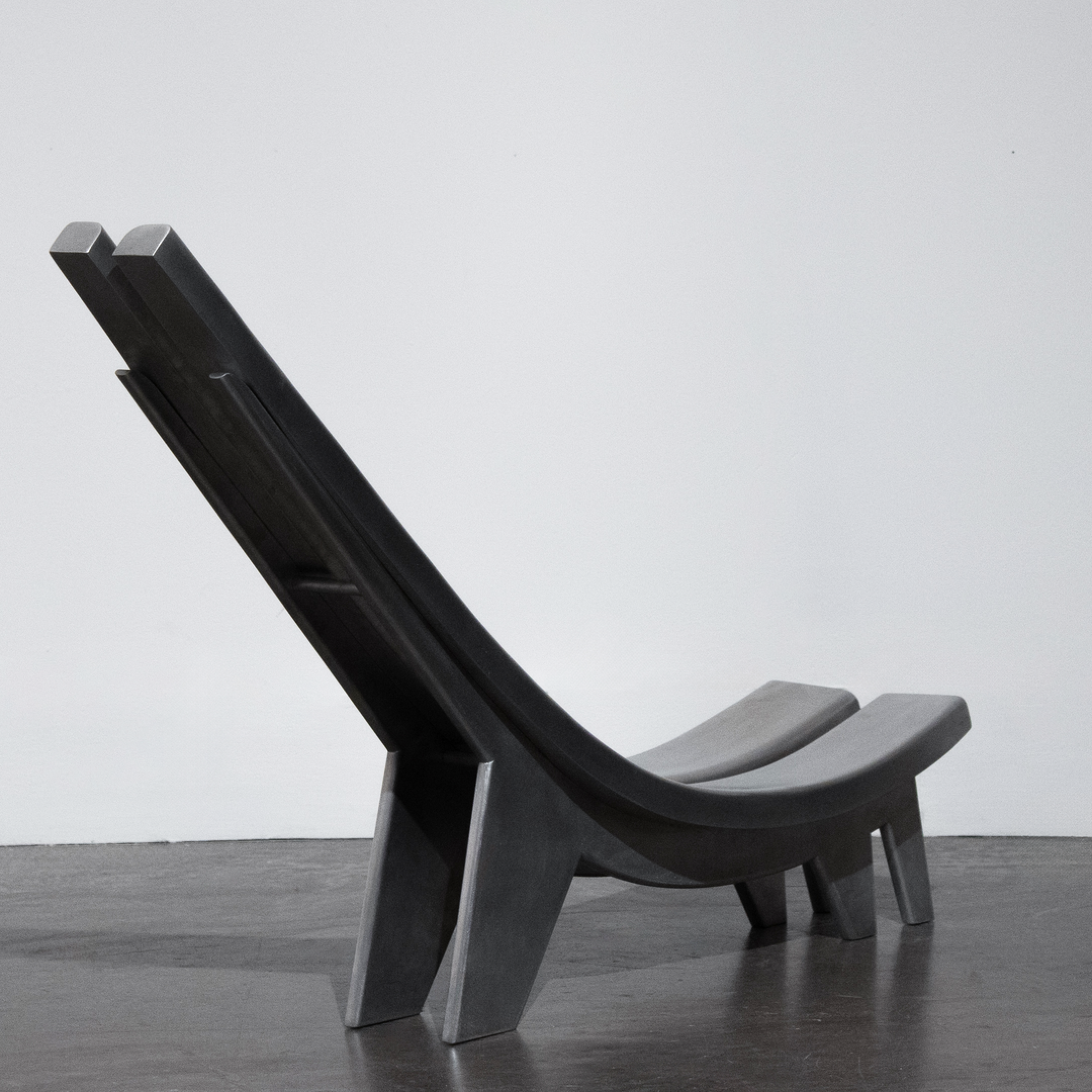
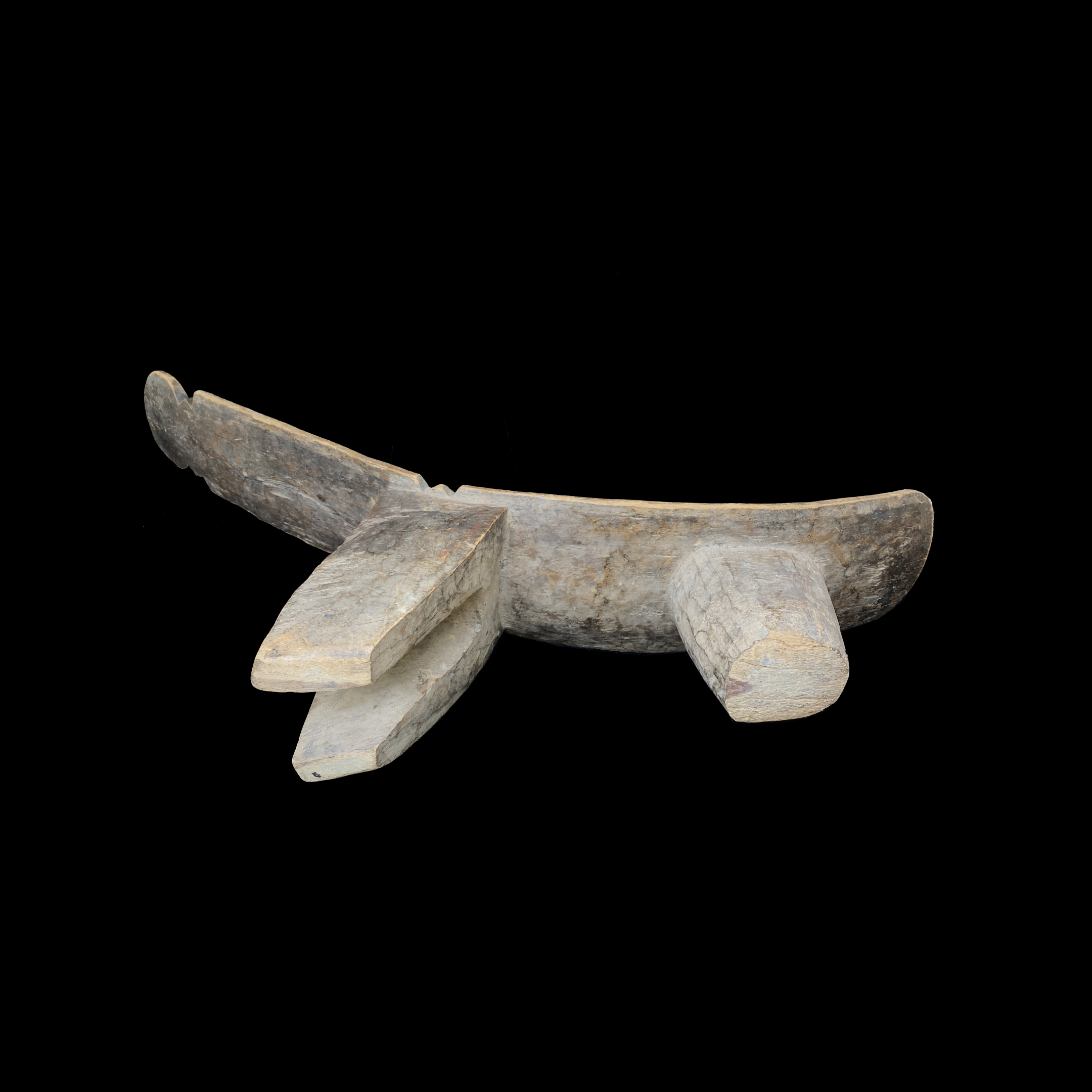
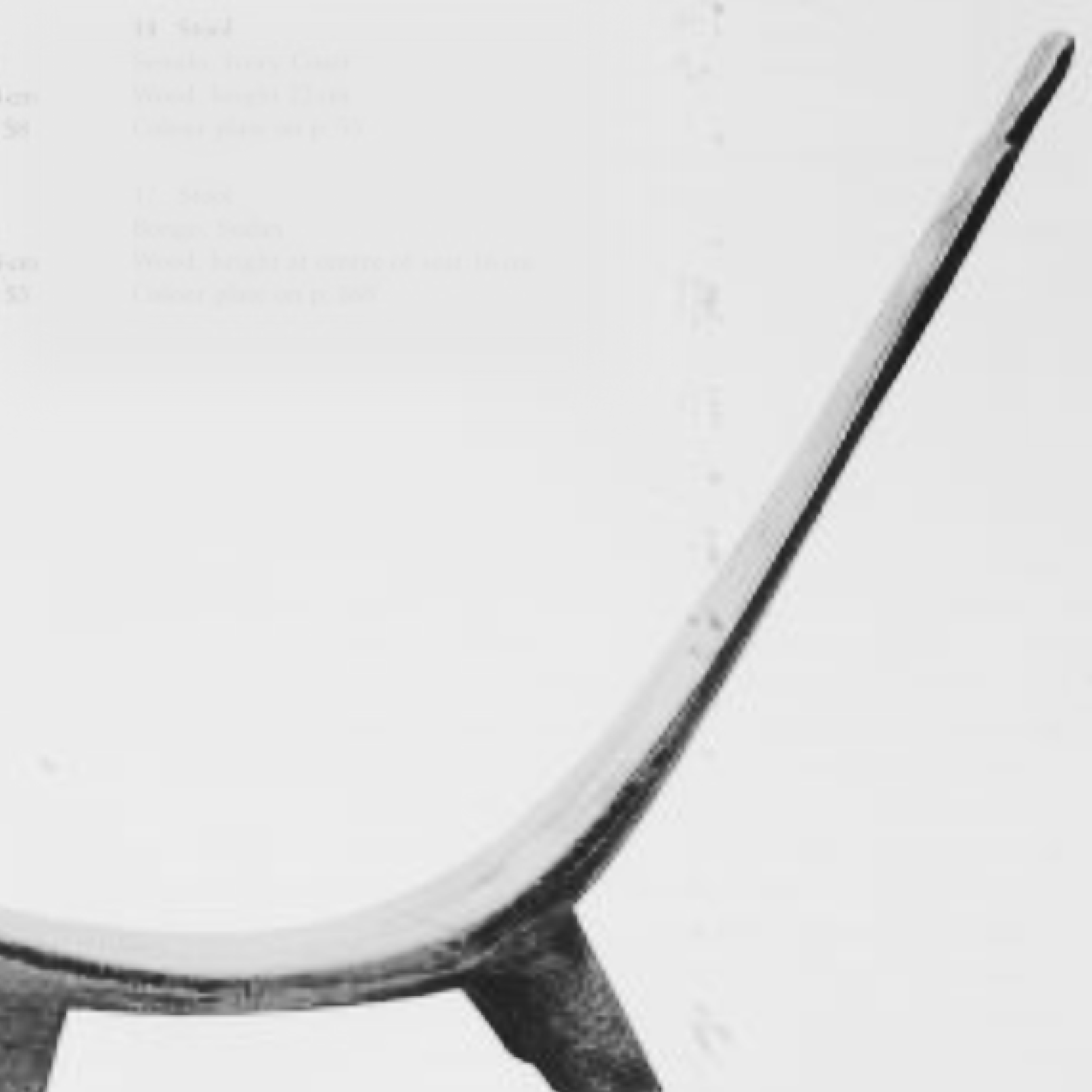
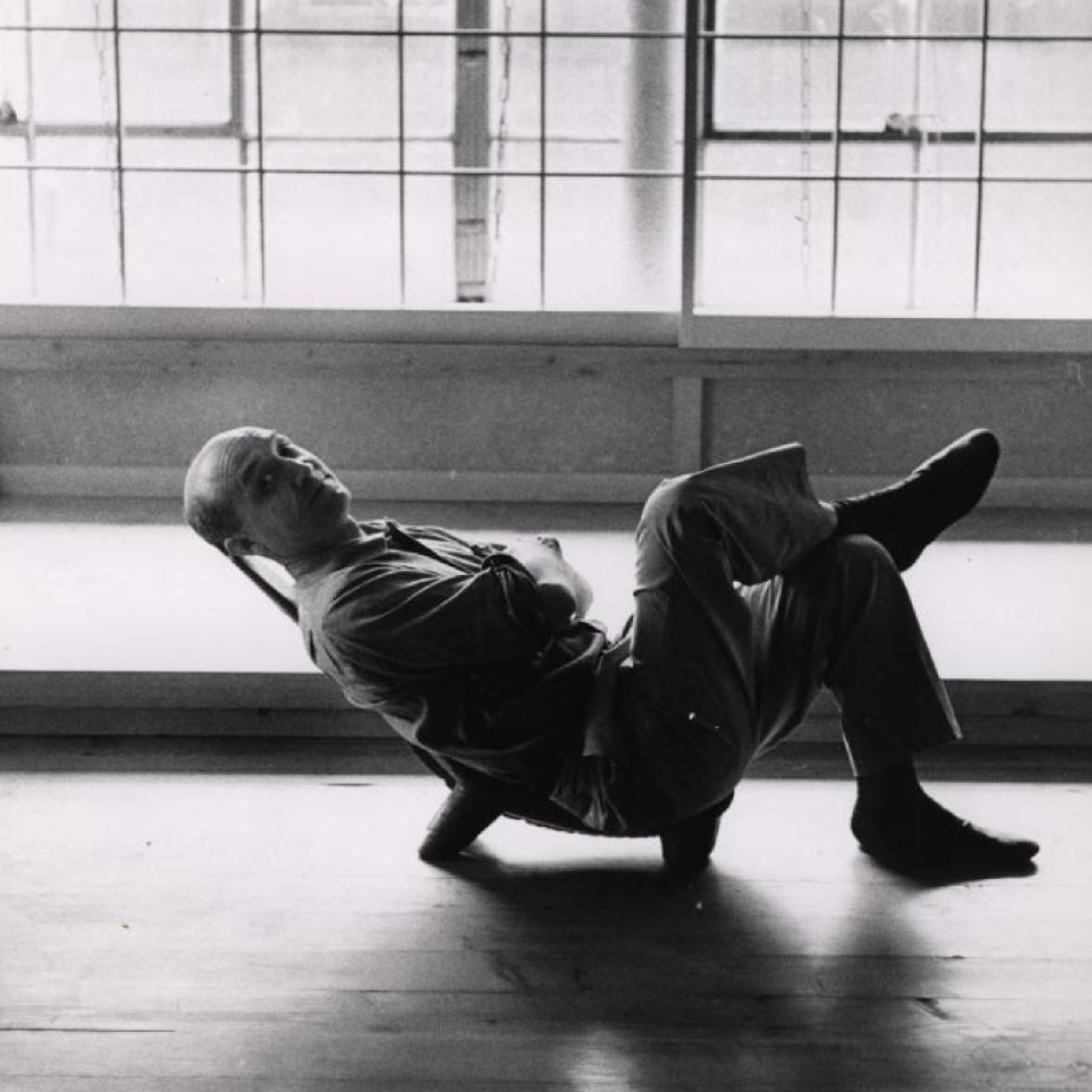
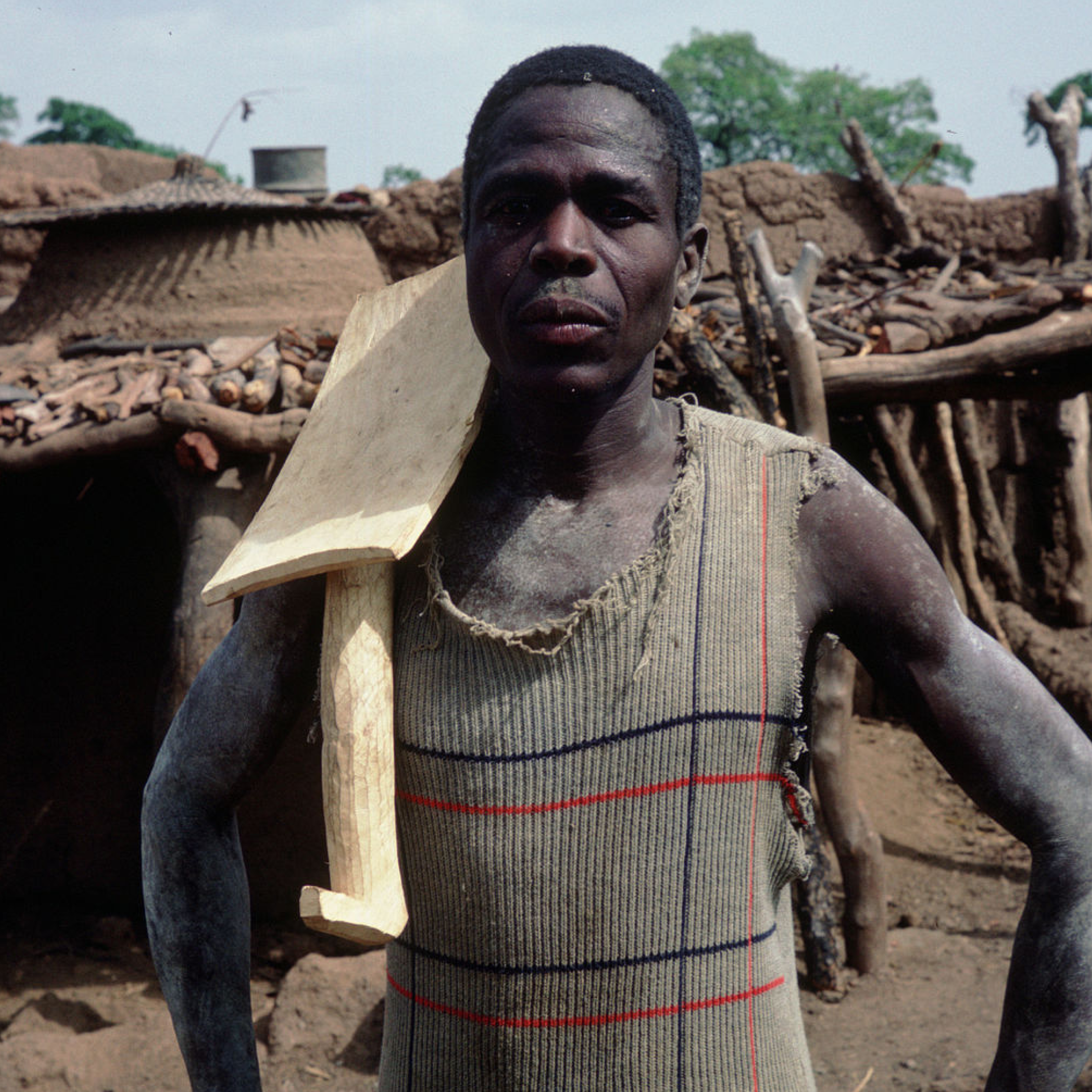
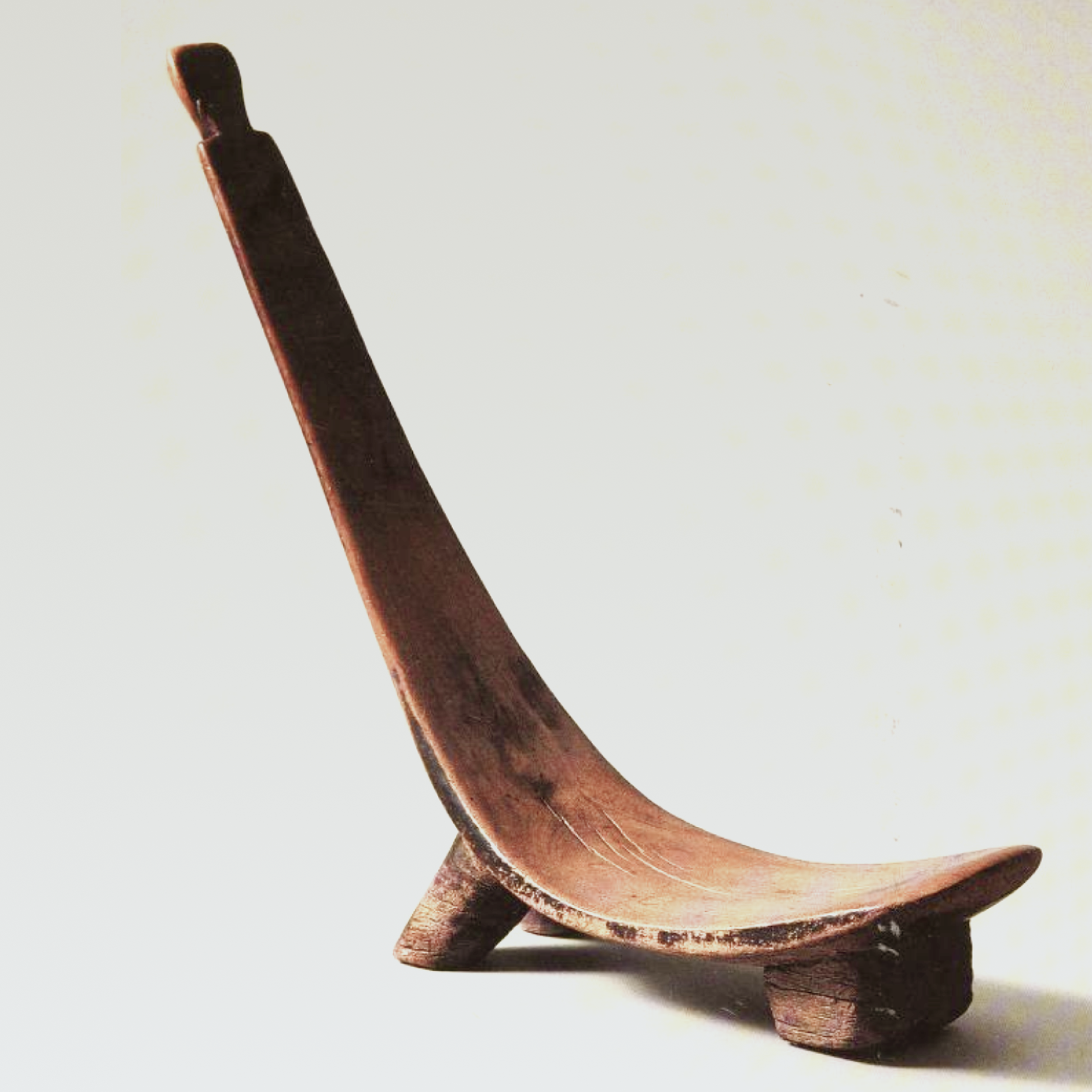
[1,2,6]: LOBI (RECLINED) LOW CHAIR
[3]: A Lobi artisan/designer in the village of Dako, Burkina Faso, with a newly carved stool in 1984. The stool is most likely a “toópár”. We will explore these further in future posts…
[4]: Portrait of Isamu Noguchi reclining on a Lobi Chair in 1961.
[5]: African design inspired some of Noguchi’s work. In this excerpt he points out the simplicity of the Lobi’s chair design whose form harmonizes with the human body. The reclining sitter’s legs intuitively become additional touch points adding to the chair’s stability and comfort.
[7]: A bottom view of a different Lobi “recliner” showing the tripod design.
[8]: SERWAA, A 2024 continuation of Lobi design reimagined in aluminium by Giles Tettey-Nartey
From: Lobi culture, Burkina Faso 🇧🇫; (also Ghana 🇬🇭 and Côte d’Ivoire 🇨🇮)Source [1,2,6]: “African Seats” a book of photos and essays edited by Sandro Bocola, 1995
Source notes [1,2,6]: “In the region of the Lobi and the Gurunsi (Burkina Faso) we find seats that are unusually elegant in design, with the surface generally resting on three short, sturdy legs. These stools, always made from a single block of wood, are easily carried on the shoulder, their formal beauty notwithstanding. Here, functionality and sheer strength of design merge in an inspired manner” pg 52
Source [3]: Christopher D. Roy, 12 April 1984
Source [4]: Portrait of Isamu Noguchi in Lobi Chair, 1961. The Noguchi Museum Archives, 03919. Photo: Vytas Valaitis. ©The Isamu Noguchi Foundation and Garden Museum / Artist Rights Society [ARS] @noguchimuseum
Source [5]: “Isamu Noguchi: There’s no such thing as time” by @sfmoma on YouTube. Excerpts from “Isamu Noguchi, 1972” Michael Blackwood Productions.
Source [7]: @africaandbeyondgallery
Source [8]: @gilestetteynartey
Observations:
ergonomics, formal contrast, material intelligence, considering an object’s profile/the shadow it leaves, material intelligence, anthropomorphism (to highlight user behavior)

What else do you see?